

Maximizing Your Property’s Value with Modern Forestry

In today's world, property owners are constantly seeking innovative ways to enhance the value of their land. One of the most effective yet often overlooked strategies is modern forestry. By integrating sustainable forestry practices into your property management, you can not only increase the aesthetic appeal of your land but also boost its market value. This blog post will explore how modern forestry can maximize your property’s value, providing practical tips and insights along the way.
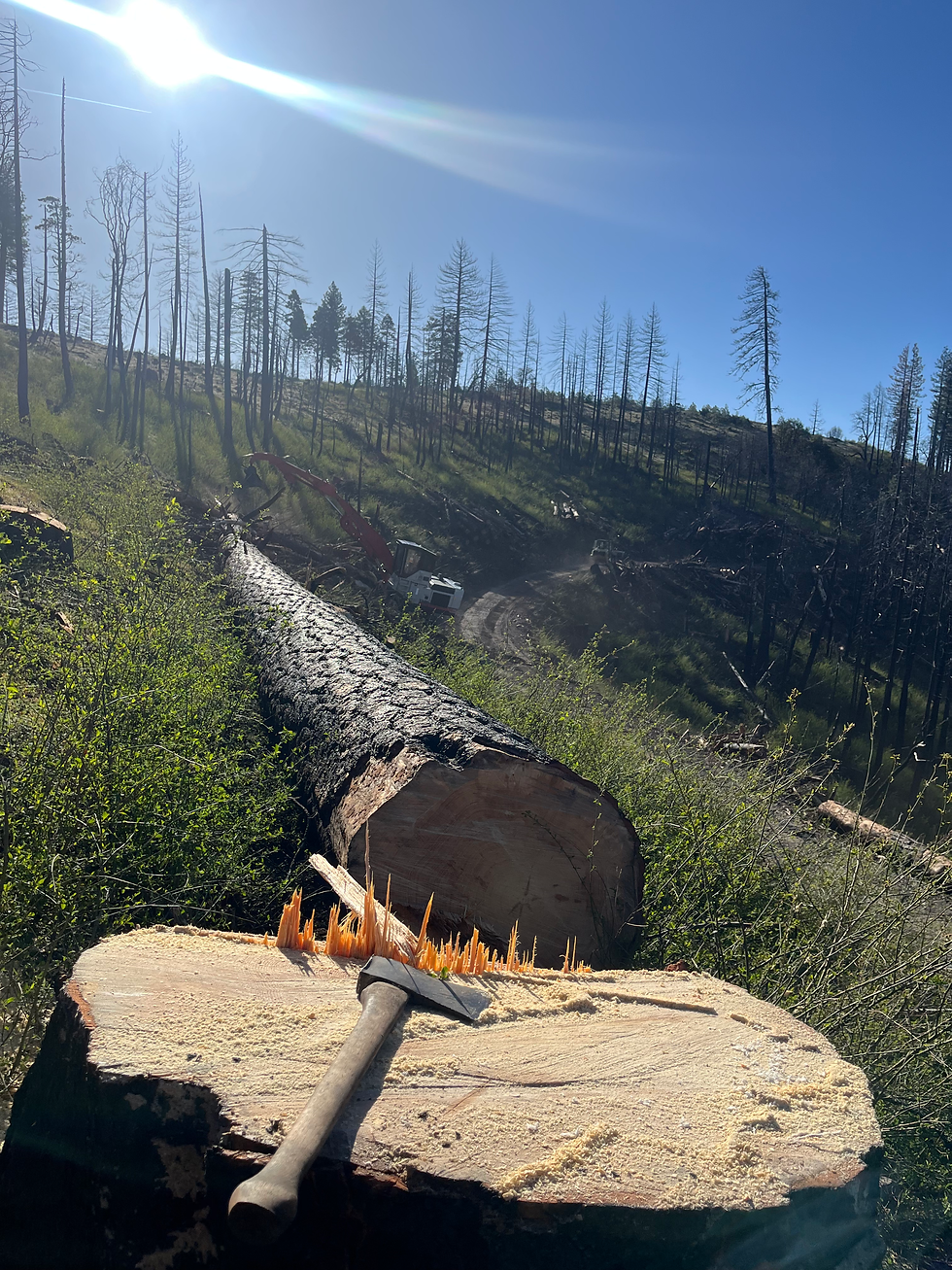
Understanding Modern Forestry
Modern forestry encompasses a range of practices aimed at managing forested areas sustainably. Unlike traditional methods that often prioritize short-term gains, modern forestry focuses on long-term health and productivity of forest ecosystems. This approach includes:
Sustainable Timber Harvesting: Carefully planned logging that ensures the forest can regenerate.
Reforestation: Planting new trees to replace those that have been harvested or lost.
Forest Management Plans: Comprehensive strategies that outline how to maintain and improve forest health over time.
By adopting these practices, property owners can create a thriving ecosystem that not only supports wildlife but also enhances the overall value of their land.
The Economic Benefits of Modern Forestry
Investing in modern forestry can yield significant economic benefits. Here are some key advantages:
Increased Timber Value
Sustainable timber harvesting can lead to higher quality wood products. By managing your forest properly, you can produce timber that is more valuable on the market. This includes:
Higher Quality Logs: Well-maintained trees produce better-quality lumber.
Diverse Timber Species: Planting a variety of tree species can attract different buyers and increase overall demand.
Enhanced Land Aesthetics
A well-managed forest can significantly improve the visual appeal of your property. This can be particularly important if you plan to sell or lease your land. Potential buyers are often drawn to properties that showcase beautiful landscapes and healthy ecosystems.
Increased Wildlife Habitat
Modern forestry practices can create a balanced habitat for wildlife. This not only supports biodiversity but can also attract recreational opportunities such as hunting, birdwatching, and eco-tourism. Properties that offer these experiences can command higher prices in the real estate market.
Practical Steps to Implement Modern Forestry
Implementing modern forestry practices on your property doesn’t have to be overwhelming. Here are some practical steps to get started:
Conduct a Forest Inventory
Before making any changes, assess the current state of your forest. A forest inventory involves:
Mapping Your Land: Create a detailed map of your property, noting the location and types of trees present.
Assessing Tree Health: Identify any diseased or damaged trees that may need to be removed.
Evaluating Soil Quality: Understanding the soil composition can help determine which tree species will thrive.
Develop a Forest Management Plan
Once you have a clear understanding of your forest, develop a management plan that outlines your goals and strategies. This plan should include:
Timber Harvesting Schedule: Determine when and how much timber you will harvest.
Reforestation Plans: Decide which species to plant and where.
Maintenance Practices: Outline how you will maintain the health of your forest over time.
Engage with Professionals
Consider hiring forestry professionals to assist with your management plan. They can provide valuable insights and help you navigate the complexities of sustainable forestry. Look for certified foresters who can offer:
Expertise in Local Ecosystems: They understand the specific needs of your region.
Access to Resources: They can connect you with tools and funding opportunities for forestry projects.
Case Studies: Successful Modern Forestry Practices
To illustrate the benefits of modern forestry, let’s look at a few successful case studies.
Case Study 1: Timberland Investment
A property owner in Oregon implemented a sustainable timber harvesting plan that focused on thinning overcrowded stands of trees. By removing weaker trees, they allowed healthier trees to thrive. Over a decade, the property’s timber value increased by 40%, and the owner was able to sell high-quality lumber at premium prices.
Case Study 2: Eco-Tourism Development
In North Carolina, a landowner transformed their property into an eco-tourism destination by enhancing their forest through modern forestry practices. They created hiking trails and wildlife observation areas, attracting visitors year-round. This not only increased the property’s value but also generated a steady income stream.
Challenges and Considerations
While modern forestry offers numerous benefits, there are challenges to consider:
Initial Costs
Implementing sustainable forestry practices may require an initial investment. This can include costs for professional consultations, equipment, and reforestation efforts. However, these costs can often be offset by the long-term gains in property value.
Regulatory Compliance
Depending on your location, there may be regulations governing forestry practices. It’s essential to familiarize yourself with local laws to ensure compliance and avoid potential fines.
Climate Change Impacts
Climate change can affect forest health and productivity. Property owners should consider how changing weather patterns may impact their forestry plans and adapt accordingly.
Conclusion: Take Action to Maximize Your Property’s Value
Modern forestry is a powerful tool for property owners looking to enhance the value of their land. By adopting sustainable practices, you can improve timber quality, increase aesthetic appeal, and create a thriving ecosystem. Start by conducting a forest inventory, developing a management plan, and engaging with professionals to guide your efforts.
The benefits of modern forestry extend beyond just financial gains; they contribute to environmental health and community well-being. As you embark on this journey, remember that every step you take towards sustainable forestry is a step towards maximizing your property’s value. Take action today and watch your land flourish.


Comments